How many inhabitants did Vienna have around 1900? Why did everyone flock to Vienna? What potential for conflict developed during this time? What was this diversity for?
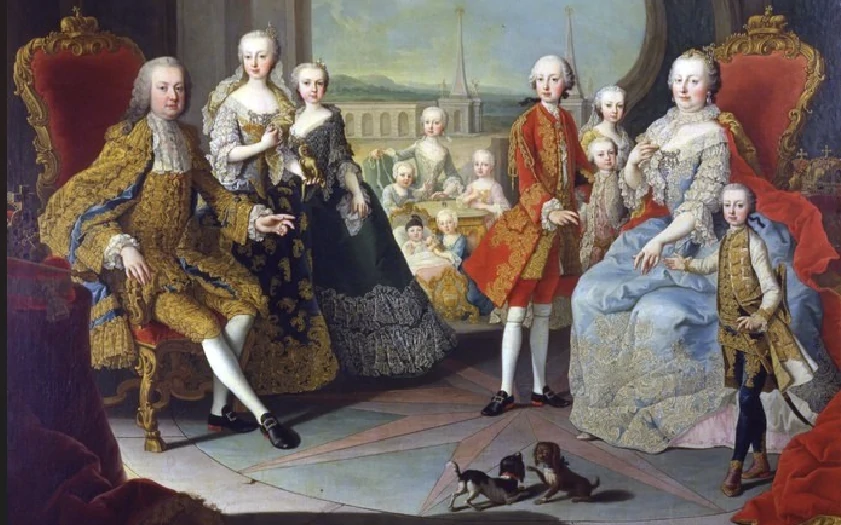
Vienna was the capital and residence of the Habsburg monarchy. It comprised around 53 million inhabitants and around 15 different nations. Emperor Franz Joseph I was the ruler who held this conglomerate of different cultures and languages together.
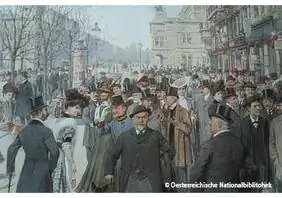
Immigrants flocked to the capital from all parts of the multinational empire. Different religious and ethnic groups came together and conflicts were inevitable.
Social conditions had reached a low point and prostitution was on the rise. The immigrants were exploited by the working conditions of liberalism. This led to the organization of the workers, the formation of the trade union movement and social democracy.
Vienna had over 2 million inhabitants at the time and was the fourth largest city in Europe. Almost 25% of the immigrants came from Bohemia and Moravia, just under 10% were Jews. At the time, Vienna was the largest Czech city and the third largest Jewish city in Central Europe.
Vienna also became the cultural metropolis of Europe around 1900. Viennese Modernism created a spirit of optimism that was unique. The city grew enormously and Viennese architects such as Otto Wagner, Adolf Loos, Josef Hoffmann and Joseph Maria Olbrich made a name for themselves both nationally and internationally.
The breakaway from traditional architecture and art found expression in the Secession style. The Secession building became the exhibition venue for this new movement and Gustav Klimt its president. Otto Wagner, Kolo Moser, Hoffmann and Olbrich joined them.
Coffeehouse literature was founded by the intellectuals in Café Griensteidl, Café Central and Café Museum. Writers such as Peter Altenberg, Karl Kraus, Hermann Bahr and many more spent a large part of their time there. People exchanged ideas and philosophized.
Sigmund Freud founded the concept of psychoanalysis and disturbed many people with his theory of sexuality and interpretation of dreams. Arthur Schnitzler initially became a doctor and devoted himself to the study of hysteria and hypnosis. He later switched to writing and dealt with sexuality, seduction and adultery in his works.
The intellectual and artistic elite met in the salons of famous salon ladies such as Bertha Zuckerkandl and Eugenie Schwarzwald.
Musically, atonality brought about a change. Arnold Schönberg founded twelve-tone music. His pupils Berg, von Webern and Zemlinsky followed him according to the new method of composition with twelve tones. Gustav Mahler became the director of the State Opera and fundamentally reformed the program.
At the beginning of the new century, Vienna saw a concentration of top achievements in music, architecture, painting and literature like nowhere else in Europe.