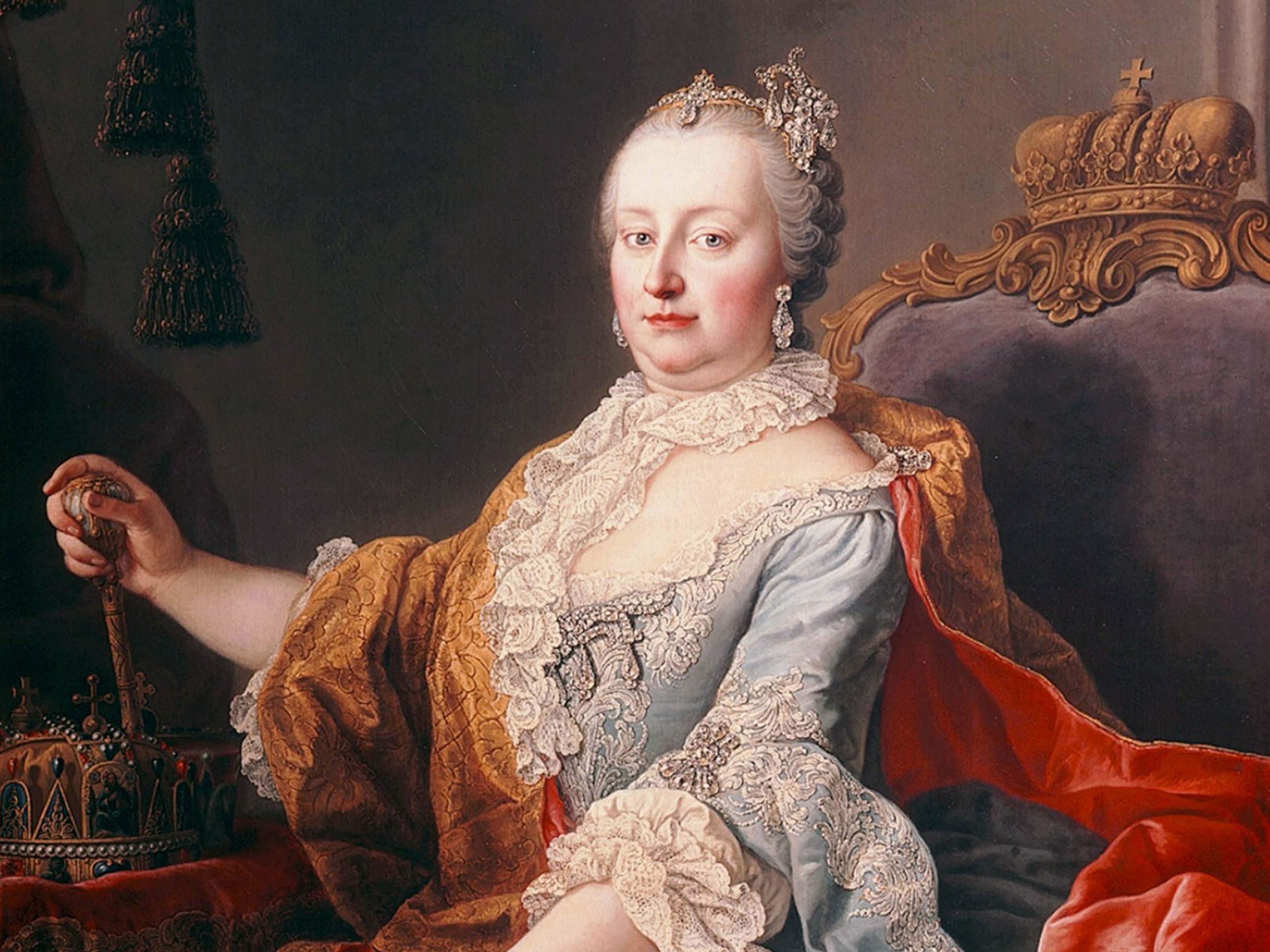
When you think of great rulers of Europe, names like Napoleon or Frederick the Great often come to mind. But one of the most influential personalities of the 18th century was a woman: Maria Theresa of Austria. She ruled a huge empire for almost four decades and fundamentally reformed the state and society – at a time when women were not even officially intended to be rulers.
A ruler against expectations
Maria Theresa was born in Vienna on May 13, 1717. As the eldest daughter of Emperor Charles VI and Elisabeth Christine of Brunswick-Wolfenbüttel, she was not originally brought up as a future regent. It was only when it became clear that no male heir would be born that her father issued the so-called Pragmatic Sanction, which was intended to enable Maria Theresa to succeed to the throne.
In 1736, she married Franz Stephan of Lorraine, who, however, had to renounce his duchies of Lorraine and Bar as part of the European policy of equilibrium. As compensation, he was granted the Grand Duchy of Tuscany in 1737.
When Charles VI died in 1740, Maria Theresa was just 23 years old – inexperienced, pregnant and surrounded by political opponents. Many European powers questioned her right of succession. The result was the War of the Austrian Succession, which put her rule to the test from the very beginning.
War and assertiveness
Frederick II of Prussia in particular took advantage of the situation and occupied Silesia – an economically important territory. Maria Theresa was unable to regain it despite several wars, but she demonstrated political instinct, perseverance and remarkable leadership.
Her appearance before the Hungarian nobility when she appealed for support is legendary. Her emotional appeal won her loyal allies and thus ensured the continued existence of her monarchy. This moment made it clear that Maria Theresa was no mere symbolic figure, but a true power politician.
A reformer by conviction
Away from the battlefields, Maria Theresa shaped her empire primarily as a reformer. She modernized the administration, judiciary and military, laying the foundations for an efficient state.
Its most important reforms include:
- the introduction of compulsory education (1774),
- a comprehensive tax reform that also included the nobility and clergy to a greater extent,
- the restriction of torture and witch trials,
- the establishment of a professional civil service.
Although she was deeply religious and conservative, she acted pragmatically in many areas – always with the aim of strengthening her empire.
Mother of sixteen children
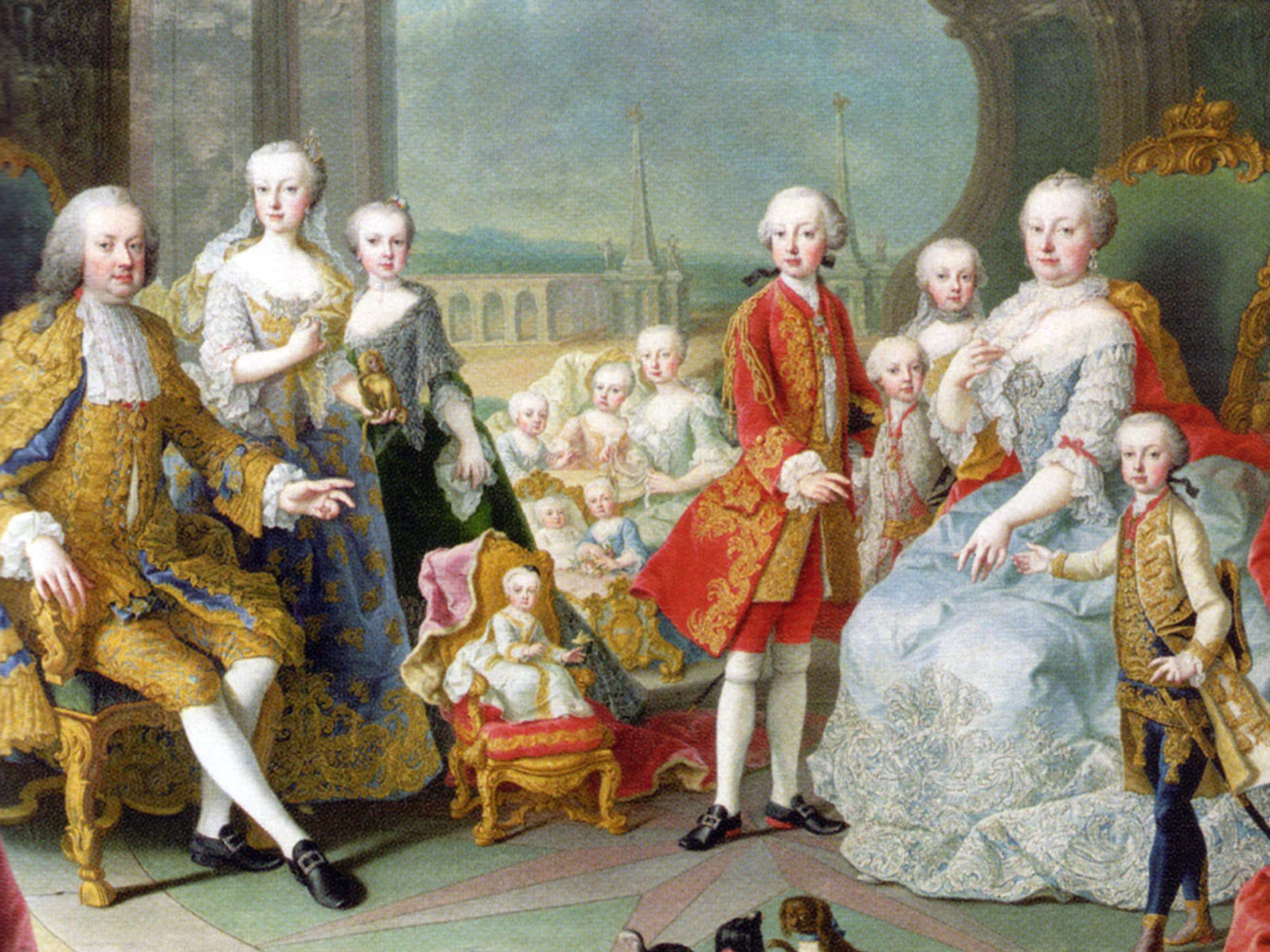
In addition to her political role, Maria Theresa was also a family person. She gave birth to 16 children, ten of whom reached adulthood. She deliberately used her children for dynastic alliances – a common practice at the time, and the most famous of her daughters is undoubtedly Marie Antoinette, who later became Queen of France. Ironically, it was precisely this alliance that led to long-term tensions that culminated in the French Revolution.Maria Theresa maintained close, sometimes strict relations with her children. Her letters show a mixture of maternal concern, political calculation and moral standards.
Not an empress – and yet the empress
Formally, Maria Theresa was never Empress of the Holy Roman Empire, as this office was reserved for men. The title first went to her husband Francis I Stephen and later to her son Joseph II, but de facto political power was mostly in her hands.
Working with Joseph II was not always easy. While he strove for radical reforms, she preferred gradual changes. This tension between tradition and enlightenment characterized the last years of her reign.
Death and legacy
Maria Theresa died in Vienna on November 29, 1780. She marked the end of an era, but her influence lasted far beyond her death. She had transformed a crisis-ridden multi-ethnic state into a stable great power.
Her legacy is multi-layered:
- She was one of the first modern female heads of state in Europe.
- She proved that political power is not tied to gender.
- It combined tradition with the will to reform – not always without contradiction, but effectively.
Time Travel Tip
Since October 2025, the life of Maria Theresa can be seen as an opulent musical at the Ronacher:
MARIA THERESIA – THE MUSICAL tells the fascinating story and legacy of one of the most influential monarchs of the 18th century – a vivid portrait of power, passion and historical change.